


The History of Stainless Steel
Stainless steel has become indispensable in industry and everyday life. The material is valued for its many advantages and is used in a wide range of applications. But how long has stainless steel actually existed, and who invented it?
The Origin
At the beginning of the 20th century, the chemical industry was looking for materials that were more resistant to heated gases and vapours than the materials previously used. The nickel and chromium steels already known at the time were too susceptible to corrosion and too brittle for the growing demands of the chemical industry.
A material was also needed that could be formed and processed more easily. Researchers around the world therefore worked on the development of new, rust-resistant and, above all, more water- and acid-resistant types of steel.
The Discoverers
As early as around 1821, the first steel-chromium alloy was published by Pierre Berthier. It showed improved corrosion resistance, which is why many scientists, especially in England and France, continued their research. In 1872, the Englishmen Clark and Woods succeeded in significantly improving the water and acid resistance of an alloy.
In 1904, the Frenchman Leòn Guillet paved the way for further research with studies on the carbon content in iron. The physicist Prof. Benno Strauß and his colleague Dr. Eduard Maurer conducted research for more than four years in the laboratories of Friedrich Krupp AG in Essen. They reduced the carbon content to below one percent and combined chromium and nickel as alloying elements.
They then developed a suitable heat treatment process to improve the corrosion behaviour and strength of the steel. Successfully: on 18 October 1912, they received the patent for the “manufacture of objects requiring high resistance to corrosion”. Shortly afterwards, another patent followed for the “manufacture of objects requiring high resistance to attack by acids and high strength”.
The two became known as the fathers of stainless steel. However, even though the discovery of stainless steel is attributed to the German company Krupp, similar developments were also taking place in other countries.
For example, in 1912 the Austrian engineer Max Mauermann also developed a corrosion-resistant steel. In 1924, a patent dispute arose between Mauermann and the steel group. The Austrian won, but it was only after his death in 1929 that he was officially recognised as the first inventor of stainless steel.
In Great Britain, Harry Brearley is regarded as the inventor of stainless steel. He was an assistant in a chemical laboratory and was searching for a new material with less wear for firearms. In 1913, he finally succeeded in developing a rust-resistant steel.
The Rise of Stainless Steel
Since its discovery, rust-resistant stainless steel has experienced an impressive rise. Just two years after the first patent, a stainless steel exhibition was held for the general public in Malmö in 1914. In 1919, another patent followed, enabling the use of rust-resistant steel in medicine.
Architects also discovered the material. The Chrysler Building in New York City was built in the late 1920s and received one of the first roofs made of stainless steel. In 1926, the first artificial joint made from the new material was also implanted.
Whether in the home kitchen or, in 1985, in drinking water systems in Japan: stainless steel gradually found its way into almost every area of life. Production volumes also clearly show the success of the material. From 18,000 kg in 1914, demand had already risen to 56 tonnes the following year.
In 1950, global production amounted to 1 million tonnes. By 1987 it had already reached 8.2 million tonnes, and by 2005 it had risen to 24.7 million tonnes. In 2019, a total of 52.2 million tonnes of stainless steel were produced worldwide.
Today
Its timeless aesthetics, easy-care durability and functionality make stainless steel not only an important material in industry, but also a classic of modern design.
To meet the constantly increasing demands of our world, new grades of the material are continuously being developed. At present, around 120 different alloys are known, each with very different properties depending on its composition.
The history of stainless steel is therefore not only highly successful and still relatively young, but also still in motion. An exciting path that we at METALXACT will continue to follow.


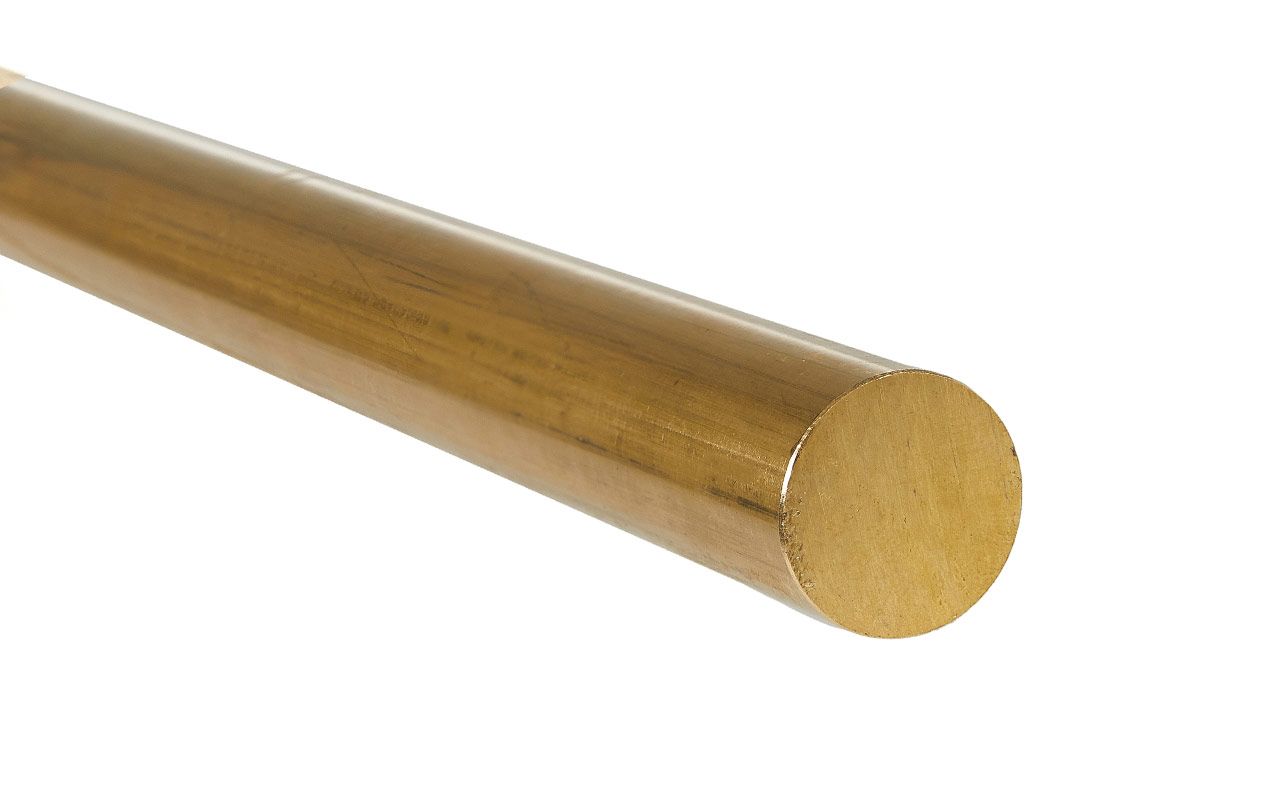


Important Milestones in the History of Stainless Steel
- 1821: Pierre Berthier publishes an early steel-chromium alloy.
- 1872: Clark and Woods improve the water and acid resistance of an alloy.
- 1904: Leòn Guillet provides important foundations for further research.
- 1912: Benno Strauß and Eduard Maurer receive a patent for corrosion-resistant steels.
- 1913: Harry Brearley develops a rust-resistant steel in Great Britain.
- 1914: A stainless steel exhibition in Malmö introduces the material to a wider audience.
- 1919: Another patent enables the use of stainless steel in medicine.
- 1926: The first artificial joint made of stainless steel is implanted.
- 2019: 52.2 million tonnes of stainless steel are produced worldwide.
Conclusion
The history of stainless steel shows how strongly research, industry and practical requirements have shaped the development of modern materials. The desire for more corrosion-resistant, more durable and more easily processable types of steel led to the creation of a material that is now indispensable worldwide.
Stainless steel is used in industry, architecture, medicine, households and numerous technical applications. Its resistance, hygiene, durability and versatile workability make it one of the most important metal materials of our time.
Frequently Asked Questions About the History of Stainless Steel
How long has stainless steel existed?
The development of modern rust-resistant stainless steels began in the early 20th century. Key patents were filed from 1912 onwards.
Who invented stainless steel?
In Germany, Benno Strauß and Eduard Maurer are considered important pioneers of rust-resistant stainless steel. Internationally, Max Mauermann and Harry Brearley are also associated with the development of corrosion-resistant steels.
Why was stainless steel an important invention?
Stainless steel combined high corrosion resistance with strength, workability and durability. This made the material especially valuable for industry, architecture, medicine, household use and technology.
What role did chromium and nickel play in stainless steel?
Chromium improves corrosion resistance because it forms a protective oxide layer. Nickel can additionally improve the formability, toughness and resistance of certain stainless steels.
Why is stainless steel so widely used today?
Stainless steel is durable, hygienic, easy to maintain, corrosion-resistant and versatile. That is why it is used in industry, construction, medicine, kitchens, architecture and many technical applications.
You may also be interested in
House & Garden – Trends for 2025
Stainless Steel and Aluminium – A Comparison
Cleaning Stainless Steel Properly – 10 Practical Tips
Is Stainless Steel Magnetic?
Can Stainless Steel Rust?
Custom Stainless Steel Profiles