


Non-Ferrous Metals - Definition and Classification
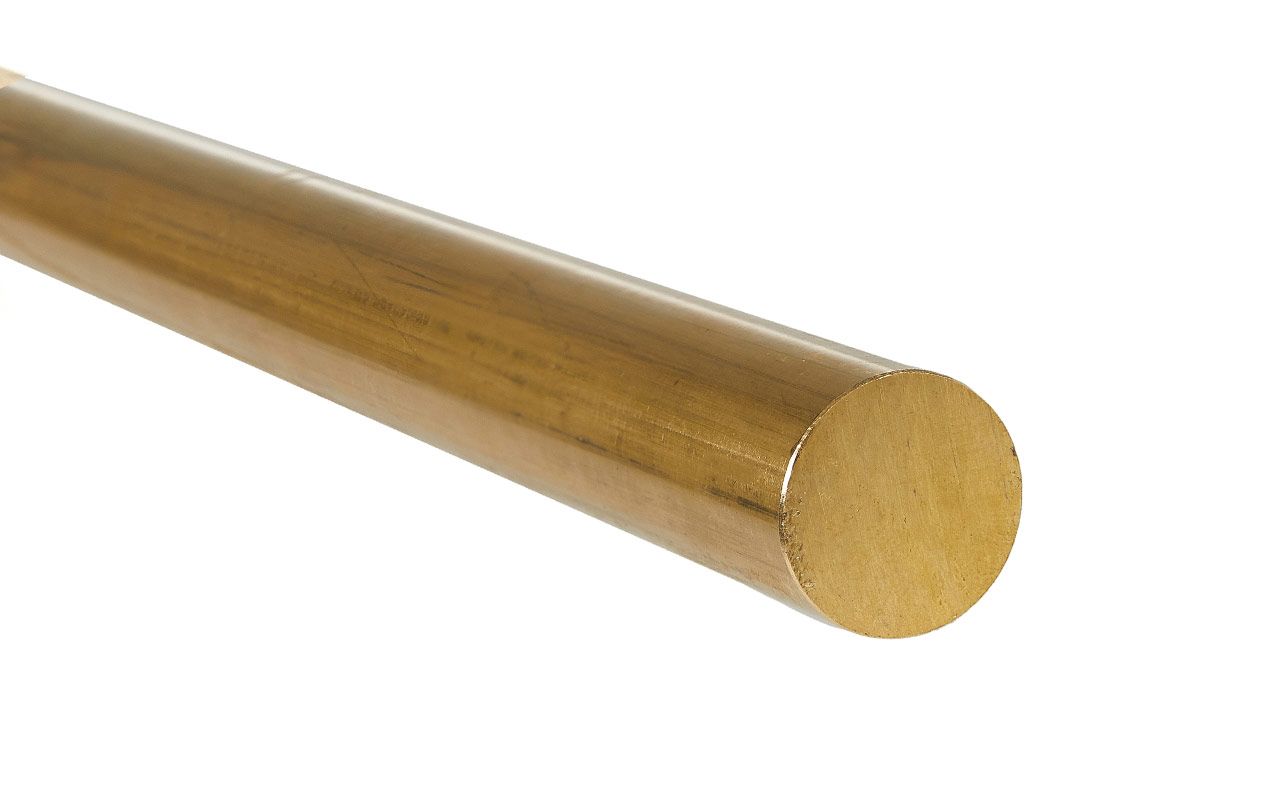
Good casting properties, high resistance to corrosion, electrical and thermal conductivity - due to these properties, non-ferrous metals are often used in the electrical and construction industries, but also for the production of coins. Euro coins, for example, consist of a copper-nickel alloy in the centre, while the gold-coloured edge consists of brass. Brass, in turn, is an alloy of copper with zinc. Valuable investment coins also partly contain non-ferrous metal, mainly copper. But what exactly are non-ferrous metals?
The Definitions
Two definitions are common for the term “non-ferrous metal”. On the one hand, the term refers to all metals except iron. The typical non-iron metals cadmium, cobalt, copper, nickel, tin and zinc therefore belong to the group of non-ferrous metals. Precious metals such as silver and gold, however, do not belong to this group. The term “non-ferrous metal” refers to the colour of the metal or to the colour of the alloy - bronze and brass therefore also belong to the non-ferrous metals. On the other hand, the definition includes all base metals (except iron) that form coloured ores with non-metals - such as oxygen - and therefore have a “colour”. This is also the reason why precious metals are not counted among the non-ferrous metals: precious metals (such as gold and silver) are metals that hardly react with non-metals and therefore do not form any (coloured) ores.
Properties and Use
Copper, cobalt, lead and tin - in addition to these typical representatives of non-ferrous metals, metal alloys made from different metals also belong to this group, such as copper-based alloys: brass, bronze or red brass. Despite their colour, precious metals such as gold or silver are not part of the group. A distinction is made here between noble and base metals. Non-ferrous metals are base metals that quickly release electrons again; they are also called electron donors. In contrast, precious metals release electrons only poorly, the so-called electron acceptors. For this reason, non-ferrous metals are frequently used in electronic components.
Aluminium: a Non-Ferrous Metal?
Aluminium belongs to another subgroup of non-iron metals: the light metals. This group stands out from other metals due to unique characteristics. The most striking difference lies in the weight: both materials are among the lightest metals. Light metals and heavy metals are distinguished based on their density. At a density of less than 5 g/cm³, one speaks of light metals, as with titanium or magnesium. Metals above this value are called heavy metals, for example lead, zinc or nickel. Non-ferrous metals are also almost exclusively counted among the heavy metals.
Small Metal ABC
Precious metal: rare and valuable metal that is particularly corrosion-resistant and chemically stable in a natural environment. Examples: silver, gold, platinum
Ferrous metal: Metal that contains iron. Example: steel
Light metal: Metal with a density below 5.0 g/cm³. Examples: aluminium, magnesium, titanium
Non-iron metal, short NE metal: All metals except iron and metal alloys in which iron is not contained as the main element. Examples: gold, silver, platinum, aluminium, copper, nickel, zinc, titanium
Non-metal: Chemical element that is not a metal. Examples: hydrogen, carbon, nitrogen, phosphorus, oxygen, sulphur
Heavy metal: Metal with a density from approx. 5.0 g/cm³. Examples: zinc, iron, manganese, copper, lead, cadmium, mercury
Base metal: Metal that corrodes in air under normal conditions. Examples: iron, aluminium and zinc
Non-ferrous metal: Collective term for a subgroup of heavy non-iron metals, excluding precious metals and light metals.




Frequently Asked Questions About Non-Ferrous Metals
What are non-ferrous metals?
Non-ferrous metals are a collective term for a subgroup of heavy non-iron metals, excluding precious metals and light metals.
Which metals belong to the non-ferrous metals?
Typical non-iron metals such as cadmium, cobalt, copper, nickel, tin and zinc belong to the group of non-ferrous metals. Alloys such as brass, bronze or red brass also belong to this group.
Do precious metals belong to the non-ferrous metals?
No. Precious metals such as silver and gold do not belong to the non-ferrous metals because they hardly react with non-metals and therefore do not form coloured ores.
Is aluminium a non-ferrous metal?
Aluminium belongs to another subgroup of non-iron metals: the light metals. Non-ferrous metals are almost exclusively classified as heavy metals.
What are non-ferrous metals used for?
Due to their casting properties, corrosion resistance and electrical and thermal conductivity, non-ferrous metals are often used in the electrical and construction industries as well as for coins.
You may also be interested in
Home Garden – These Are the Trends for 2025
Stainless Steel and Aluminium – A Comparison
Iron, Steel and Metal – The Connection
What Is Brass? The History and Production
The History of Stainless Steel