


Rust Protection for Metals – Which Metal Does Not Rust?
Metals are generally very robust and durable. However, if they are not adequately protected and are exposed to severe weather conditions, for example, rust can form. The different types of metal vary in their susceptibility, meaning that some materials require more protection than others.
Why does metal rust?
Rust usually forms through contact with moisture or air, for example when metal is exposed to rain outdoors. Acids can also cause rust formation. A chemical reaction occurs on the surface of the metal, causing it to decompose and take on the typical brownish-red colour associated with rust. This process can be intensified by salt, for example when roads and pavements are gritted in winter, because salt increases the electrical conductivity of the metal and allows electrons to move more quickly across the surface. This leads to what is known as electrochemical corrosion, and the metal begins to rust.
Metals Compared – What Rusts Particularly Quickly?
Iron
⚙️ Properties: Transition metal from iron ore
🏗️ Areas of application: Rails, bicycles, energy storage
✅ Advantage: Basis for producing steel and other alloys
🛡️ Susceptibility to rust: High when in contact with humid air or direct moisture
Steel
⚙️ Properties: Material with particular hardness
🏗️ Areas of application: Bridges, tools, vehicle parts
✅ Advantage: Easy processing
🛡️ Susceptibility to rust: Relatively high in pure steel due to the lack of alloying elements. Stainless steel with a chromium content of more than 10.5% chromium, however, is rust-resistant.
Aluminium
⚙️ Properties: Lightweight metal made from aluminium-bearing alumina
🏗️ Areas of application: Window frames, doors, roofs
✅ Advantage: Low weight and therefore easy processing.
🛡️ Susceptibility to rust: Low, due to a natural oxidation layer.
Copper
⚙️ Properties: Raw material embedded in ore or in pure form
🏗️ Areas of application: Electricity, pipes, roofs
✅ Advantage: Strong conductivity
🛡️ Susceptibility to rust: Low, due to a natural oxidation layer that is supplemented by a protective green patina when exposed to air.
Products made of stainless metals

Aluminium-
Rundstange

Kupfer-Flachstange

Aluminium-
Blech
Frequently Asked Questions About Rust on Metals
What is the difference between rust and corrosion?
Although the two processes are related, they are not identical. Rust can be understood as a subtype of corrosion that occurs particularly in industrial and everyday applications and has the typical reddish-brown appearance.
Which metals are particularly corrosion-resistant?
The metals presented in this article, aluminium and copper, but also zinc and lead, are very reliable in terms of corrosion resistance because they are protected by a passive layer on the surface. Materials such as iron, cast iron or steel, on the other hand, are particularly often affected by corrosion because they have a comparatively high carbon content and therefore cannot form a protective passive layer, or only a weak one.
Is rust protection necessary for all metals?
Measures to protect metals from corrosion are particularly useful when the respective product is installed outdoors. An appropriate primer should always be applied before painting in order to protect the surface properly. With us, you can have all products powder-coated in the final step via our configurator, giving them both a unique appearance and effective rust protection: to powder coating.
Discover Our Products with Powder Coating


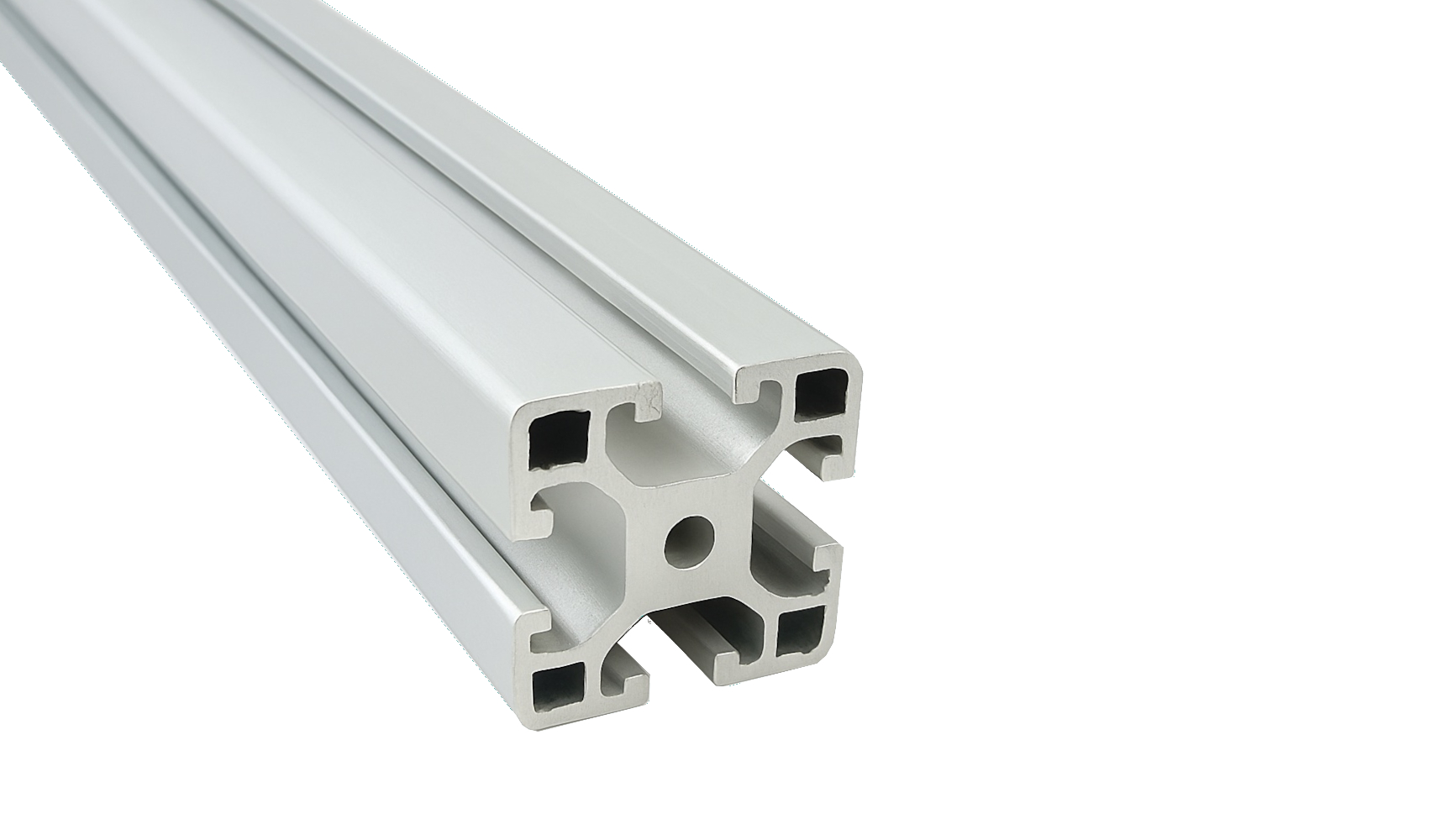


Conclusion: Not All Metals Are the Same
Metals are reliable, robust and versatile. However, damage caused by weather or chemicals can still occur, especially when products are installed outdoors or when the metals have only limited self-protection. To ensure that DIY projects last for a long time, material selection should therefore be carried out carefully and particularly vulnerable products should be additionally protected with a primer.
You Might Also Be Interested In
Rust Protection Made Easy: How to Protect Your Metal from Corrosion
Durable, Versatile, Dimensionally Stable – Our New Steel Products!
Different Metal Surfaces Compared: Which Are Suitable for Which Project?
Powder Coating for Outdoor Use: Why It Is Especially Worthwhile in Spring
What Are Alloys?