


Drilling Metal – How to Achieve Clean and Precise Results
With the right drill bit and the correct technique, drilling metal can be clean and precise – helping you avoid typical mistakes.
Whether you are building a coat rack, a shelf or an individual metal construction: sooner or later, the question arises of how to drill metal correctly without damaging the material or creating rough edges.
With the right tool, the correct speed and a little preparation, holes in steel, stainless steel or aluminium can be produced without difficulty – both for DIY projects and professional use.
In this article, you will learn which drill bits are suitable, what you should consider for different metals and how to achieve clean drill holes.
Which drill bit is suitable for metal?
Not every drill bit is suitable for metal. A metal drill bit made of HSS (High Speed Steel) or a special version with an additional coating is important.
Suitable drill bit types:
- HSS drill bits: ideal for aluminium and soft steels
- HSS-Co drill bits: with cobalt alloy, suitable for stainless steel
- Step drill bits: perfect for thin sheets
- Cone drill bits: for larger hole diameters in sheet metal
Tip: Pay attention to a sharp point and a point angle of around 118 – 135 degrees – this ensures precise results.
Step by step: how to drill metal correctly
-
Mark the drilling point
Mark the desired position with a pen. For harder metals, it is also advisable to use a centre punch so that the drill bit does not slip. -
Secure the workpiece
Metal should always be securely clamped or fixed in place. This helps prevent injuries and inaccurate drilling. -
Choose the correct speed
Aluminium: higher speed
Steel: medium speed
Stainless steel: low speed, even pressure
As a general rule: the harder the material, the lower the speed. -
Use cooling
Heat is generated during drilling. Cutting oil or coolant extends the service life of the drill bit and prevents material discolouration. -
Finishing
Sharp edges often occur after drilling. These should be smoothed with a deburring tool or sandpaper.
Common mistakes when drilling metal
- too high a speed when drilling stainless steel
- not securing the workpiece
- blunt drill bit
- too much pressure without cooling
These mistakes can lead to rough holes or damaged material.
Metal types compared – differences when drilling
Aluminium: soft and easy to machine. Clean work is usually straightforward here.
Steel: more robust than aluminium, requires slightly more pressure and an adjusted speed.
Stainless steel: very resistant. Requires sharp drill bits, low speed and consistent cooling.
Custom metal – less rework
Many metal profiles, sheets or tubes can already be ordered made to measure. This significantly reduces processing effort and ensures precise results right from the start.
At METALXACT, numerous metal products can be individually configured – including cutting to size and optional surface treatment.
Discover our custom-made products


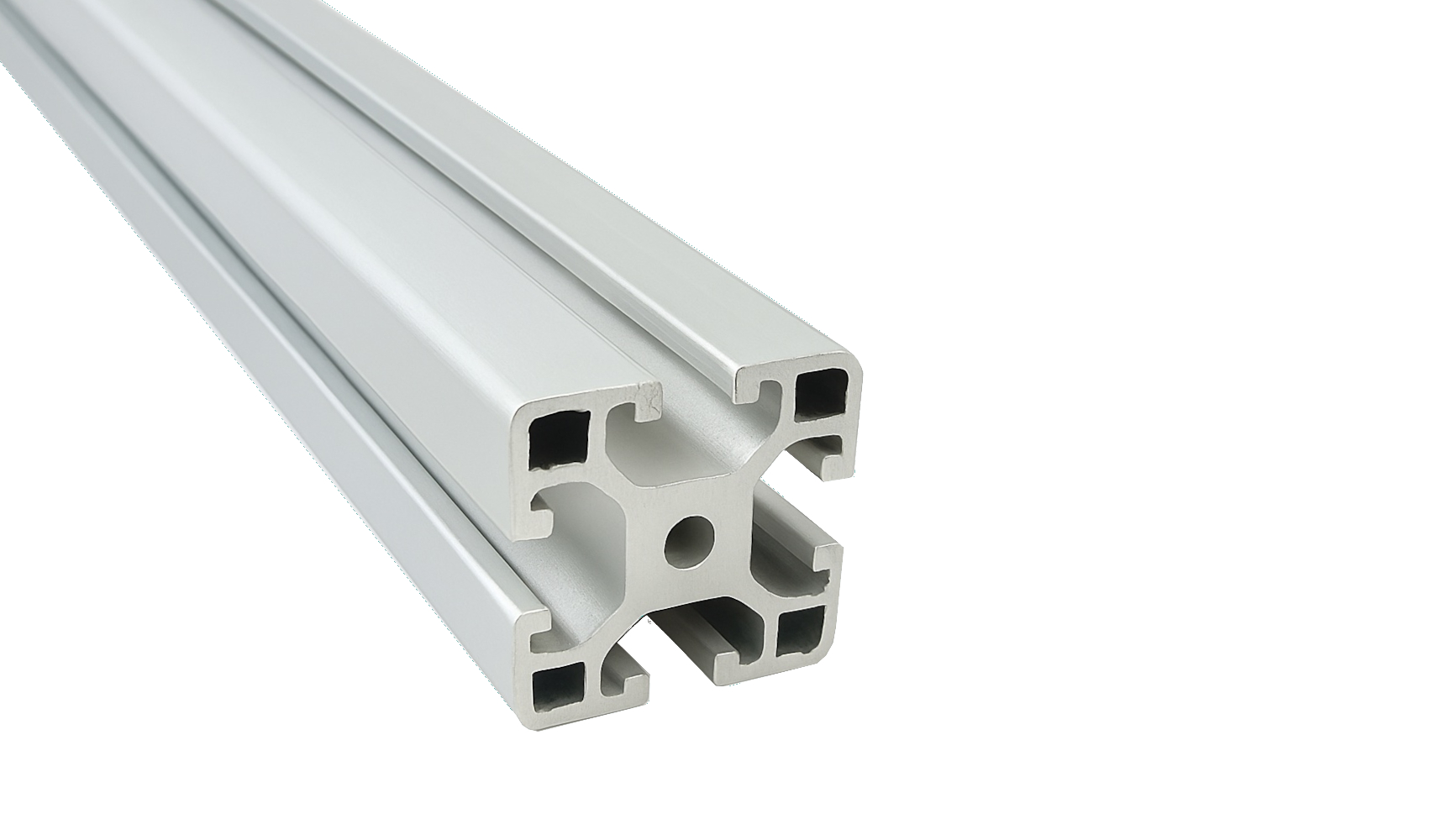


Metal profiles made to measure
Sheets and plates made to measure
Tubes made to measure
Custom metal
Frequently Asked Questions About Drilling Metal
Can you drill metal with a normal drill bit?
No. Special HSS drill bits are required for metal.
Why does the drill bit become blunt quickly when drilling stainless steel?
Stainless steel is very hard and generates high friction heat. Without cooling, the drill bit wears out more quickly.
Do you have to pre-drill?
For larger diameters, pre-drilling is useful in order to reduce stress on the material.
How can burr formation be avoided?
By drilling cleanly with an adjusted speed and then deburring the hole.
Conclusion: Drilling metal is definitely possible
Drilling metal is perfectly possible with the right tool and a little preparation. Suitable drill bits, adjusted speed and sufficient cooling are decisive. This produces precise, clean drill holes – whether for a DIY project or professional use.
Do you have questions about your projects or individual metal solutions? We will be happy to advise you.
These articles might also interest you
Painting aluminium – procedure and key considerations
Behaviour of aluminium, stainless steel and brass at high temperatures
Welding aluminium – what you should know
What is a semi-finished product? Definition, types and applications
More articles in the METALXACT Blog