


Melting Aluminium – Properties, Temperature and Industrial Significance
At what temperature does aluminium melt? And what role does this property play in industrial manufacturing? Find out here!
Aluminium is one of the most important metals in modern industry. It is lightweight, corrosion-resistant and versatile – from vehicle construction to machines, façades or metal profiles. A key property in processing is aluminium’s comparatively low melting point.
But at what temperature does aluminium actually melt? Why is its melting point lower than that of many other metals? And what role does this property play in industrial manufacturing?
In this article, you will learn everything important about the melting point of aluminium, the influence of alloys and its significance for processing in industry and trade.
At what temperature is the melting point of aluminium?
Pure aluminium has a melting point of around 660 degrees Celsius. This means aluminium is significantly below many other metals:
- Aluminium: approx. 660 °C
- Copper: approx. 1,085 °C
- Steel: approx. 1,370 – 1,540 °C
- Titanium: approx. 1,668 °C
Even before actual melting, aluminium changes its strength. As the temperature rises, the material becomes softer and easier to form – a decisive advantage in numerous production processes.
Thanks to this comparatively low melting temperature, aluminium can be processed and formed particularly energy-efficiently.
Why does aluminium have a comparatively low melting point?
Metals consist of atoms that are held together by so-called metallic bonds. In aluminium, these bonds are less strong than, for example, in steel or titanium. As a result, less energy is required to break up the structure and melt the metal.
This brings several advantages:
- lower energy consumption during processing
- easier forming
- faster production processes
- good suitability for casting and welding processes
This is exactly why aluminium is preferred in many industrial sectors – especially wherever low weight and efficient processing are required.
What role does the melting point of aluminium play in industrial processing?
The melting point plays an important role in almost all machining and manufacturing processes. It is particularly relevant in the following areas:
Aluminium casting
Since aluminium melts at around 660 °C, it is highly suitable for casting processes. Liquid aluminium can be poured precisely into moulds and processed quickly afterwards.
Typical applications:
- engine parts
- housings
- mechanical engineering components
- aluminium profiles
- vehicle components
Welding aluminium
The melting point is also decisive when welding. Aluminium conducts heat very quickly, which means that special processes and experience are required when welding.
Important factors include:
- controlled heat input
- suitable shielding gases
- clean surfaces
- suitable welding processes such as TIG or MIG
Forming and processing
Thanks to its good formability, aluminium can be efficiently rolled, bent or pressed. This enables economical manufacturing processes with high precision at the same time.
How does the melting point of aluminium change in alloys?
In practice, pure aluminium is rarely used. Aluminium alloys that are combined with other metals are often used.
Typical alloying elements are:
- magnesium
- silicon
- copper
- zinc
- manganese
Typical examples of aluminium alloys are:
- Aluminium-silicon alloys: particularly suitable for casting
- Aluminium-magnesium alloys: high corrosion resistance
- Aluminium-copper alloys: higher strength
These additions change the properties of the material – including the melting point.
Depending on the composition, the melting range can decrease or increase slightly. Many aluminium alloys no longer have an exactly defined melting point, but rather a melting range. Choosing the right alloy always depends on the later application.
Custom aluminium – efficiently processed
Thanks to its good processability, aluminium is ideal for individual cut-to-size parts and custom-made components. Many profiles, sheets or tubes can already be manufactured exactly to the desired dimensions. This significantly reduces processing effort and allows projects to be implemented efficiently.
At METALXACT, numerous aluminium products can be individually configured – including cutting to size and optional surface treatment.
Discover our custom-made products


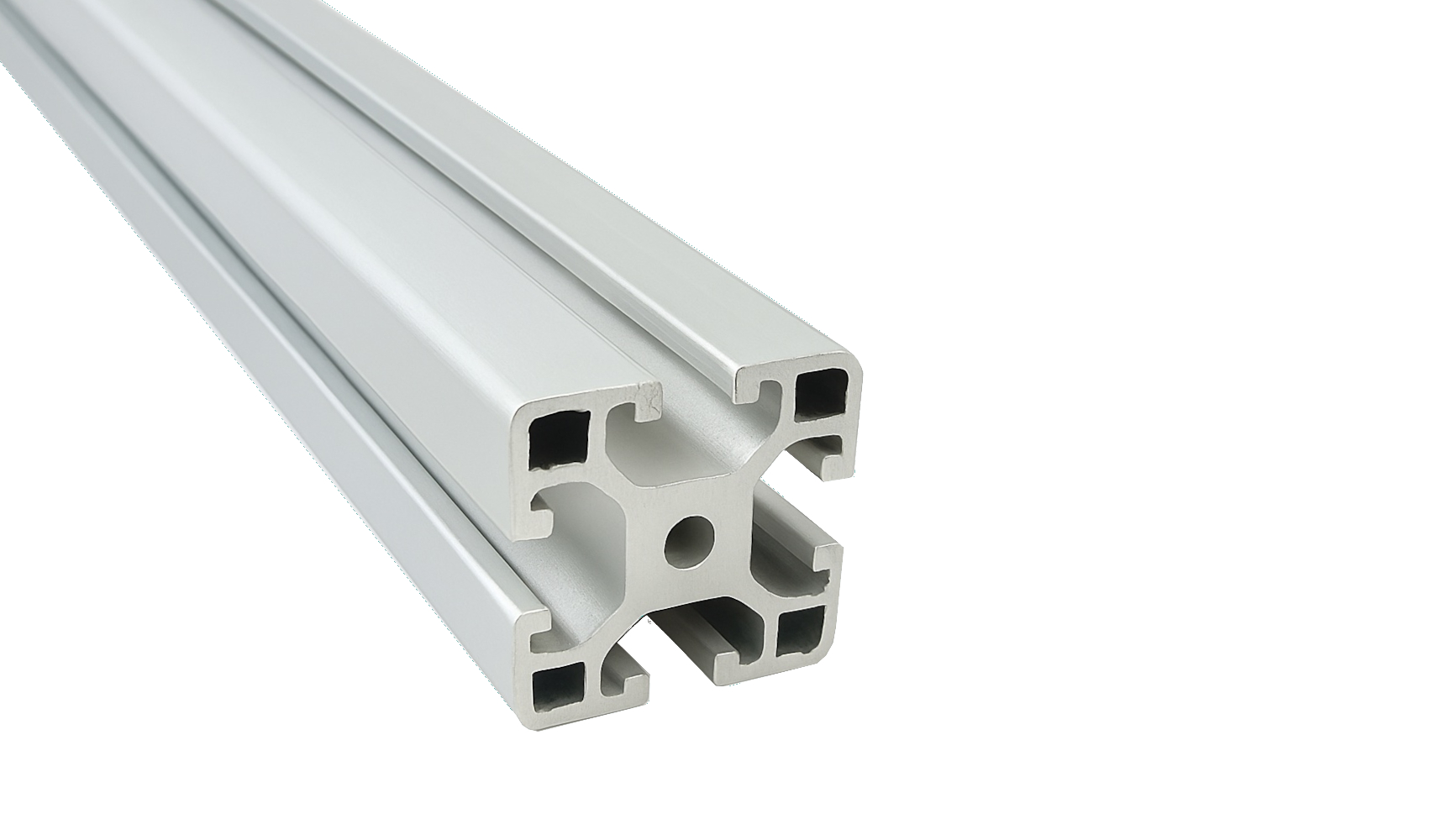


Custom aluminium profiles
Aluminium sheets and plates
Aluminium round tubes
Configure aluminium round tubes
Custom metal
Frequently Asked Questions About the Melting Point of Aluminium
When does aluminium melt?
Pure aluminium melts at around 660 degrees Celsius.
Why does aluminium melt earlier than steel?
The metallic bonds in aluminium are less strong than in steel. Therefore, less energy is required for melting.
Can the melting point change due to alloys?
Yes. Additions such as magnesium, silicon or copper change the melting range of aluminium alloys.
Is aluminium heat-resistant?
Aluminium is sufficiently heat-resistant for many applications. However, at very high temperatures, the material loses strength.
Conclusion: Aluminium – versatile and efficient to process
At around 660 °C, the melting point of aluminium is comparatively low and therefore enables particularly efficient industrial processing. Whether casting, welding or forming – aluminium impresses with good machinability, low weight and versatile application possibilities.
Different alloys also make it possible to adapt the material properties in a targeted way. This is exactly why aluminium is one of the most important materials in industry, trade and modern lightweight construction today.
Do you have questions about aluminium profiles, cut-to-size parts or individual metal solutions? We will be happy to advise you.
These articles might also interest you
Painting aluminium – procedure and key considerations
Behaviour of aluminium, stainless steel and brass at high temperatures
Welding aluminium – what you should know
Configuration for beginners: How to use the METALXACT configurator for your project
More articles in the METALXACT Blog