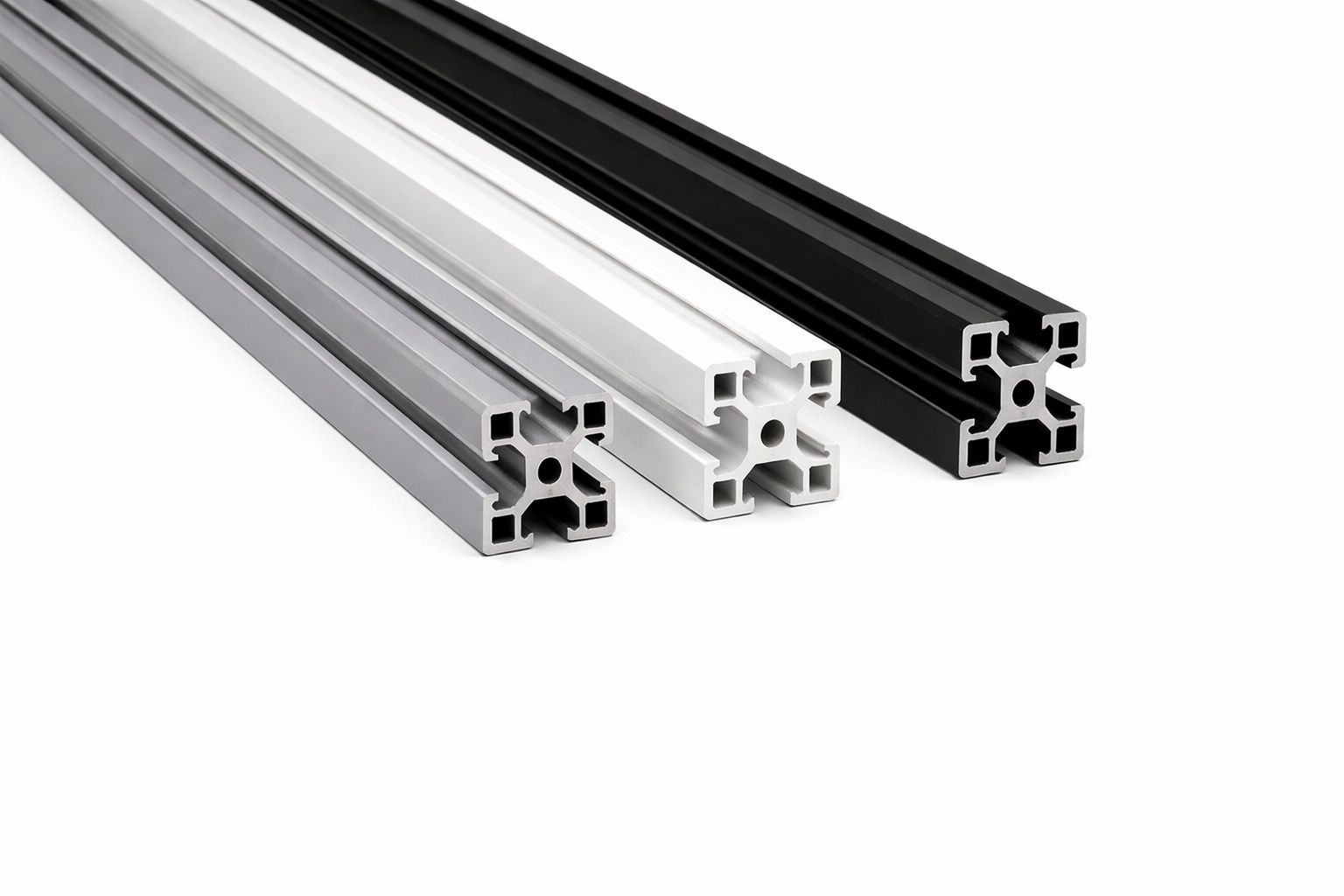
Anodized aluminium – properties, advantages and applications
Whether in mechanical engineering, architecture or high-quality design objects – anodized aluminium has become indispensable in many areas. Through a special surface treatment, the lightweight metal receives a particularly resistant protective layer that makes it more durable and visually more attractive.
But what exactly does “anodized” mean, how is the anodized layer created and what advantages does it offer compared with untreated aluminium? In this article, you will learn everything important about anodized aluminium, typical areas of application and the correct cleaning and care.
What is anodized aluminium and how is it produced?
In anodizing, an electrochemical process is used to specifically reinforce the natural oxide layer of aluminium. The workpiece is immersed in an acid bath and exposed to an electrical current. This creates a particularly hard and even anodized layer that is firmly bonded to the base material.
Unlike painting or coating, the protective layer does not simply lie on top of the aluminium, but is part of the surface. As a result, it can neither flake off nor chip. Depending on the process, the surface can also be coloured afterwards. In addition to the classic silver tone, black, bronze-coloured or other decorative variants are also possible.
This type of surface is particularly interesting for visible components, technical constructions and design projects. Anyone wishing to compare different aluminium surfaces will find a suitable overview in the METALXACT guide Aluminium: bright-pressed, anodized or powder-coated?.
What advantages does anodized aluminium offer?
Anodizing improves the properties of aluminium in many ways. The combination of low weight and high resistance is particularly valued. This makes anodized aluminium suitable for both functional and decorative applications.
- high corrosion resistance thanks to the reinforced oxide layer
- increased resistance to scratches and abrasion
- durable and easy-care surface
- high-quality, matt or satin-gloss appearance
- no flaking coating, because the anodized layer is firmly bonded to the material
- good weather resistance for indoor and outdoor use
- technical and decorative surface for architecture, furniture making, mechanical engineering and visible metal parts
At the same time, aluminium remains lightweight, stable and easy to process. That is why anodized aluminium parts are often used wherever a clean appearance, pleasant feel and resistant surface need to come together.
Anodized, bright-pressed or powder-coated – which surface is suitable?
The choice of the right aluminium surface depends heavily on the area of application. For technical components, bright-pressed aluminium can be sufficient. For visible profiles and design components, anodized aluminium is often the higher-quality solution. For coloured components, components exposed to heavy weathering or architecturally coordinated components, powder coating can be useful.
| Surface | Properties | Typical application |
|---|---|---|
| Bright-pressed aluminium | Untreated, natural aluminium surface with a technical appearance. | Workshop, technical components, further processing, constructions without high visual requirements |
| Anodized aluminium | Electrochemically reinforced oxide layer, high-quality, more scratch-resistant and more corrosion-resistant. | Visible profiles, architecture, furniture making, mechanical engineering, interior construction, design objects |
| Powder-coated aluminium | Coloured coated surface with additional protection and a large colour selection. | Outdoor areas, railings, façades, coloured profiles, house & garden, architecture |
When colour, RAL shade or a particularly individual look is the focus, powder coating for metal is a strong addition to anodized and bright aluminium surfaces.

Typical areas of application for anodized aluminium
Anodized aluminium is used wherever low mass, corrosion protection, technical appearance and durable surface are important together. It is suitable for private projects as well as for B2B applications in trade, industry, mechanical engineering, architecture and furniture making.
- Mechanical engineering: for frames, protective profiles, covers, guides and visible technical components.
- Architecture: for visible aluminium profiles, façade details, edges, strips and decorative constructions.
- Furniture making and interior construction: for high-quality edges, handles, profiles, strips, shelving systems and design components.
- Vehicle construction: for lightweight and resistant components with a technical surface.
- House and garden: for railings, profiles, covers, visible surfaces and durable metal solutions.
- Advertising technology and shopfitting: for visible profiles, frames, displays, signage and high-quality surfaces.
How to clean and care for anodized aluminium properly
Anodized aluminium is extremely easy to care for. For regular cleaning, warm water and a soft cloth are usually sufficient. For heavier soiling, a pH-neutral cleaning agent can also be used.
You should pay attention to the following:
- use soft cloths or sponges
- use mild, pH-neutral cleaners
- rinse the surface afterwards with clear water
- dry thoroughly to avoid water stains
- do not use aggressive cleaners, abrasive cleaners or steel wool
Aggressive cleaners, abrasive cleaners or steel wool should be avoided. These can damage the anodized layer and permanently affect the surface. With the right care, anodized aluminium remains visually attractive for many years and retains its protective properties.
Aluminium made to measure – perfectly fitting solutions from METALXACT
At METALXACT, you receive aluminium made to measure in various designs and dimensions – cut exactly to your requirements. Depending on the product area, bright, anodized or powder-coated aluminium products are available.
Thanks to precise production, you save time during further processing and receive perfectly fitting metal products in proven quality. Discover the range of aluminium profiles made to measure in the METALXACT shop now and conveniently configure your desired product online.
Commercial bridge: anodized aluminium, aluminium profiles and surfaces
Anyone interested in anodized aluminium is often not only looking for an explanation of the surface, but also for suitable products for a specific project. It is therefore worth combining guide content with direct product selection: aluminium profiles, anodized U-profiles, anodized angle profiles, aluminium sheets, metal cutting and powder coating can be considered together in project planning.
Direct commercial entry points are Aluminium profiles made to measure, Anodized aluminium U profile, Anodized aluminium angle, Aluminium sheets & plates made to measure, Metal cutting, Metal configurator and Powder coatings.
Product bridge: select matching aluminium products directly
| Product area | Typical use | Direct entry |
|---|---|---|
| Anodized aluminium U profile | Edgings, guides, edges, glass and panel mounts, visible technical components | Configure now |
| Anodized aluminium angle | Edges, frames, finishes, reinforcements and visible connections | View angles |
| Aluminium profiles made to measure | Tubes, bars, angles, U-profiles, T-profiles, C-profiles, H-profiles, solar profiles and machine construction profiles | Select profiles |
| Aluminium sheets & plates | Covers, cladding, plates, technical custom cuts and visible surfaces | View sheets |
| Raw aluminium sheet | Smooth custom cuts, technical sheets, plates, covers and further processing | Configure aluminium sheet |
| Perforated aluminium sheet | Ventilation, protection, design, privacy screen and technical cladding | View perforated sheet |
| Metal cutting | Perfectly fitting cuts for profiles, sheets, plates, tubes and bars | To metal cutting |
| Powder coating | Coloured, robust and weather-resistant surface for suitable metal products | View powder coating |
Frequently asked questions about anodized aluminium
What is anodized aluminium?
Anodized aluminium is aluminium whose natural oxide layer has been specifically reinforced by an electrochemical process. This creates a hard, resistant anodized layer that is firmly bonded to the material.
Is anodized aluminium rust-free?
Yes. Aluminium itself does not rust like steel. Anodizing additionally reinforces the natural oxide layer and protects the material even better against corrosion.
Can anodized aluminium be processed afterwards?
Yes, for example by sawing or drilling. However, the anodized layer is removed at the processed areas, so the original surface protection is no longer fully present there.
Can anodized aluminium be used outdoors?
Yes. Due to its high weather and corrosion resistance, anodized aluminium is suitable for many outdoor applications, for example on façades, railings, profiles or visible constructions. For coloured components or components exposed to particularly heavy weathering, powder coating can also be a useful alternative.
How does anodized aluminium differ from painted aluminium?
During anodizing, a protective oxide layer is created directly from the aluminium. Painting, by contrast, is additionally applied to the surface and can become damaged or flake off over time.
How do you clean anodized aluminium properly?
For regular cleaning, warm water, a soft cloth and, if required, a pH-neutral cleaner are usually sufficient. Aggressive cleaners, abrasive cleaners and steel wool should be avoided.
Is anodized aluminium scratch-resistant?
Anodized aluminium is more resistant to scratches and abrasion than untreated aluminium. Nevertheless, the surface should not be treated with sharp, scouring or highly abrasive materials.
Which anodized aluminium profiles are available at METALXACT?
Depending on the range and availability, anodized aluminium profiles such as U-profiles or angle profiles can be selected. In addition, further aluminium products made to measure, aluminium sheets, metal cuts and surface options are available.
Conclusion
Anodized aluminium combines the positive properties of aluminium with a particularly resistant and durable surface. It is corrosion-resistant, easy to care for and impresses with its high-quality appearance. Whether in construction, mechanical engineering or furniture making – the material can be used in many ways and offers numerous advantages over untreated aluminium.
Anyone relying on durable and perfectly fitting metal products will find high-quality solutions made from aluminium made to measure at METALXACT. The combination of guide content, product selection and online configuration is particularly useful – from the anodized aluminium profile to the matching metal cut.
Matching aluminium products made to measure
- Anodized aluminium U profile for guides, edgings, edges and visible constructions
- Anodized aluminium angle for finishes, frames, edges and connections
- Aluminium profiles made to measure for mechanical engineering, furniture making, architecture and DIY projects
- Aluminium sheets & plates made to measure for covers, cladding and technical components
- Raw aluminium sheet for smooth custom cuts, plates and further processing
- Perforated aluminium sheet for ventilation, protection, design and technical cladding